
“I offered a cleaner $200 to tell me what was in her spray bottle — and it saved us about $5,000”
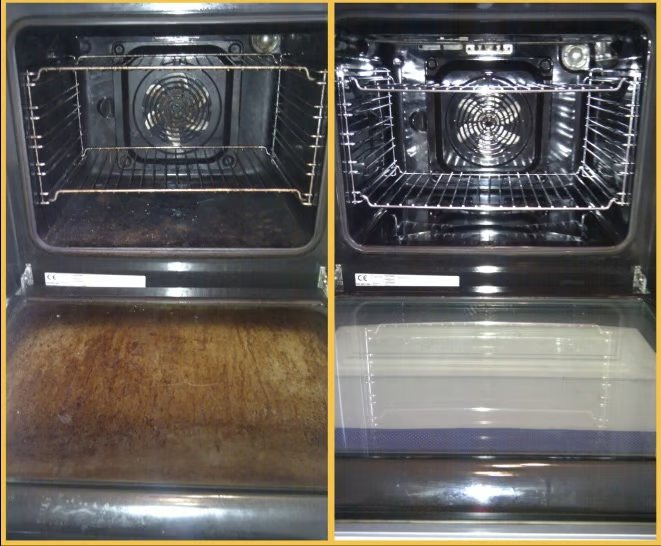
The housing market being what it is, the only place we could actually afford was the one nobody else would go near.
Structurally sound. Good street. Big garden. Right size for the three of us and whoever comes next.
And absolutely disgusting inside. It had sat empty for over a year, and every surface in every room was covered in a sticky brown film that I only ever referred to as the Muck.
It sold "as is," which is estate agent for we are not discussing it, and dozens of people had walked away. We put in an offer anyway, and then spent a fortnight discovering that ordinary cleaning products do essentially nothing against a year of that.
What we tried first, and what it cost
Kitchen spray. Then the stronger kitchen spray. Then the one that says "heavy duty" and smells like a swimming pool. Then a degreaser from a trade supplier that made my eyes water through an open window.
Some of it lifted. Most of it smeared. And by the second weekend I had spent about ninety dollars on bottles and had one clean cupboard door to show for it.
| Supermarket sprays, various | $91 |
|---|---|
| Trade degreaser, 5L | $46 |
| Scourers, cloths, gloves | $34 |
| Quote: professional deep clean | $4,800 |
| What we actually spent in the end | Under $40 |
The $4,800 quote is the number that made me start asking questions rather than buying more bottles.
So I asked someone who does it for a living
A woman called Marta had cleaned my sister's rental between tenants and had, according to my sister, "made it look like a show home in four hours."
She came round to quote. I watched her spray one cupboard door, wait, and wipe. The Muck came off in a sheet.
I asked what was in the bottle. She smiled and said she buys it in concentrate, and that everybody asks.
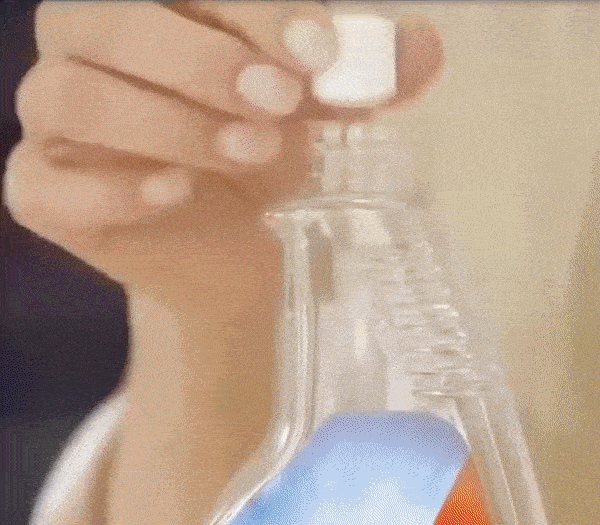
That is the bit I had not expected. What professional cleaners were buying was not a branded trigger spray at all — it was a concentrate you dilute yourself, which is why a bottle of it costs what it costs and lasts as long as it does.
You are not paying to ship water around the country in plastic. You are buying the part that does the work.
Ninety per cent of what I had been buying was water, a bottle, and a picture of a lemon.
Why it shifts grease when the others don't
The active part is surfactant chemistry. Surfactant molecules have one end that bonds to water and one that bonds to oil, so they get between the grease and the surface and lift it into the water rather than smearing it around.
Ordinary sprays contain surfactants too. The difference is concentration and dwell time — a diluted trigger spray evaporates before it has finished working, which is why you end up scrubbing.
Spray a stronger solution, walk away for two minutes, come back and wipe. That is the whole technique, and it is the part I was getting wrong.
Everything it went through, in the order we did it
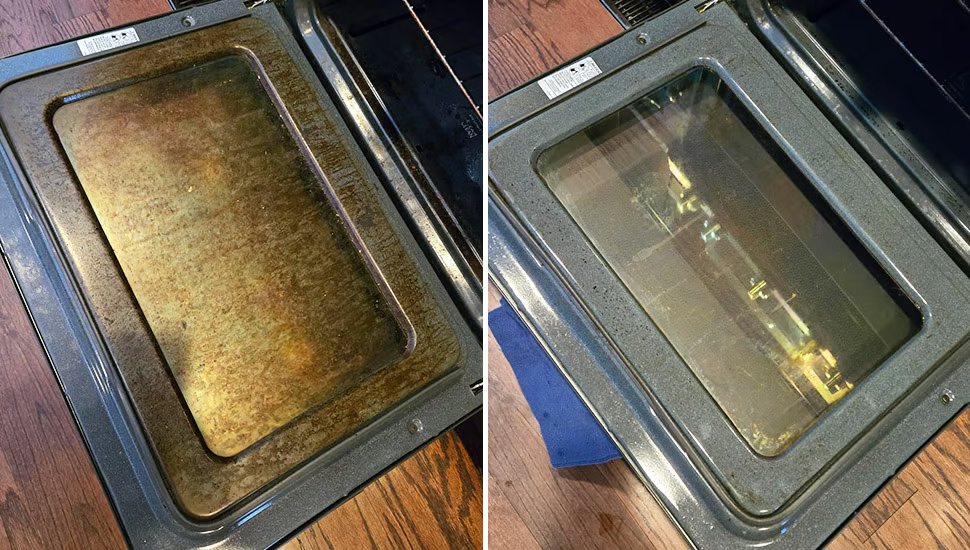
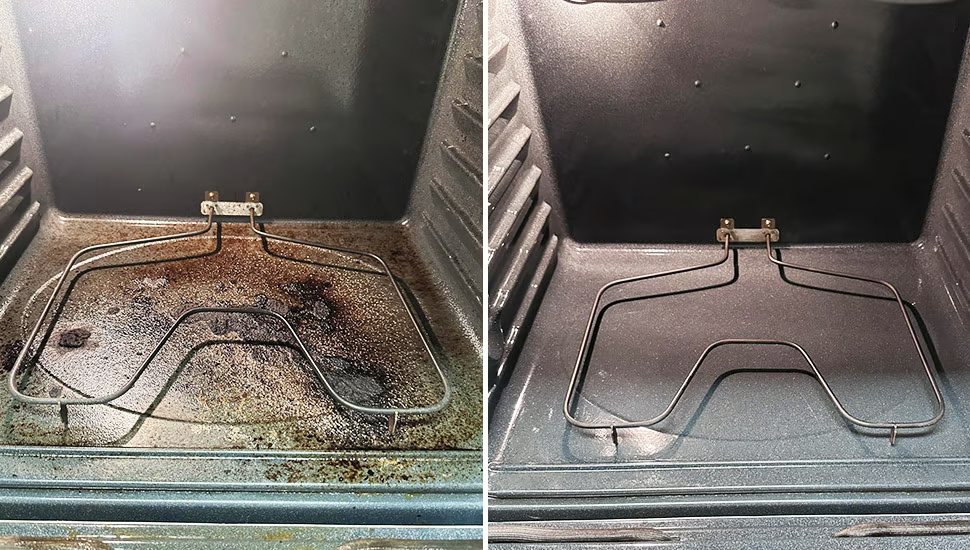
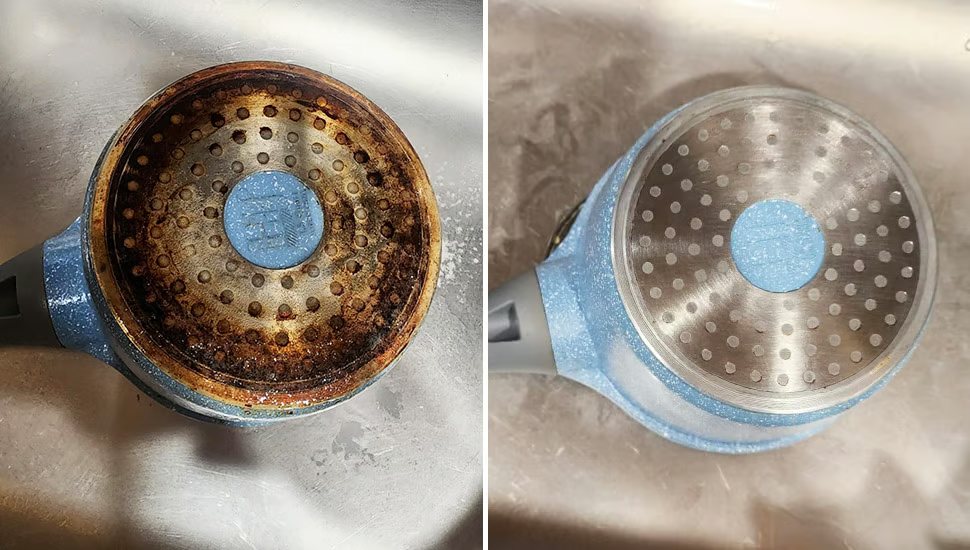
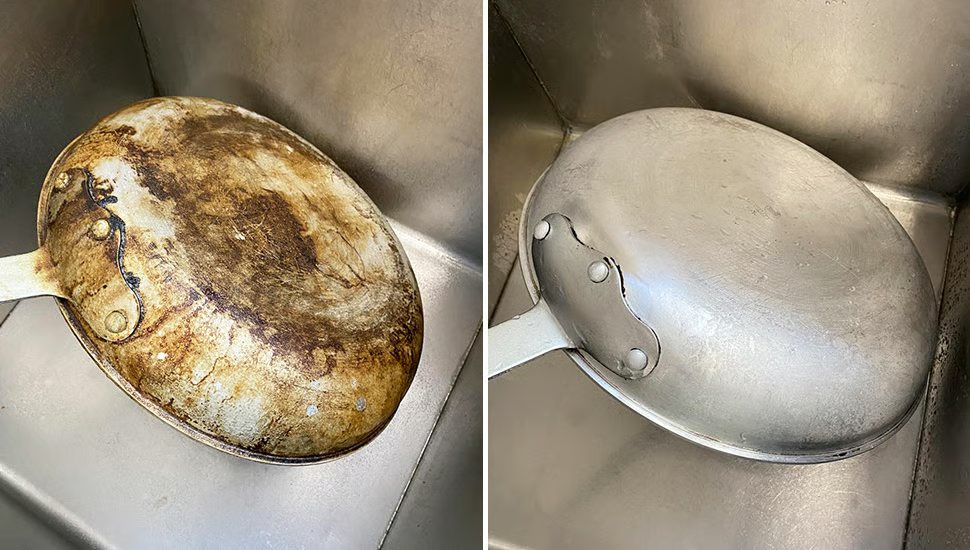
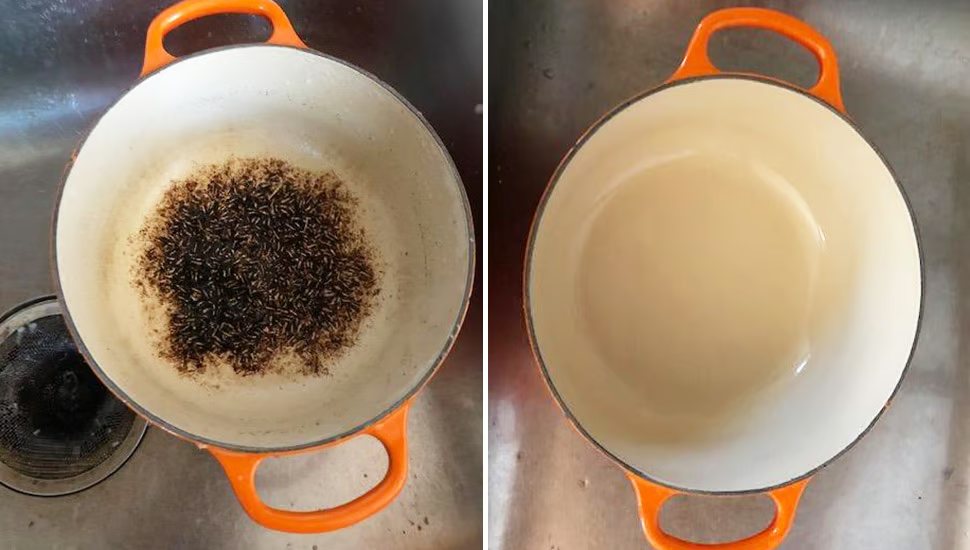
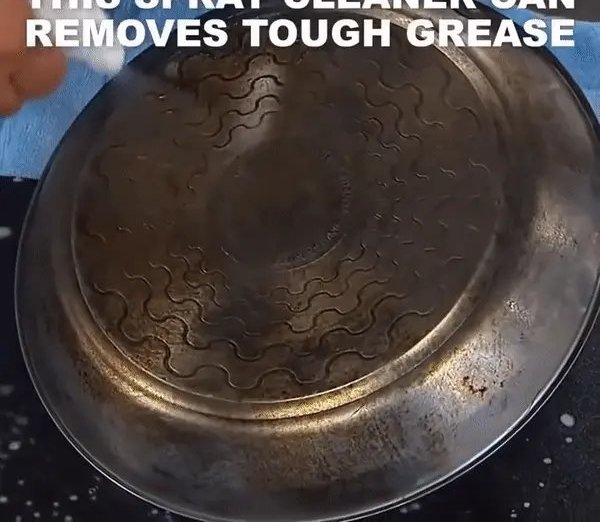
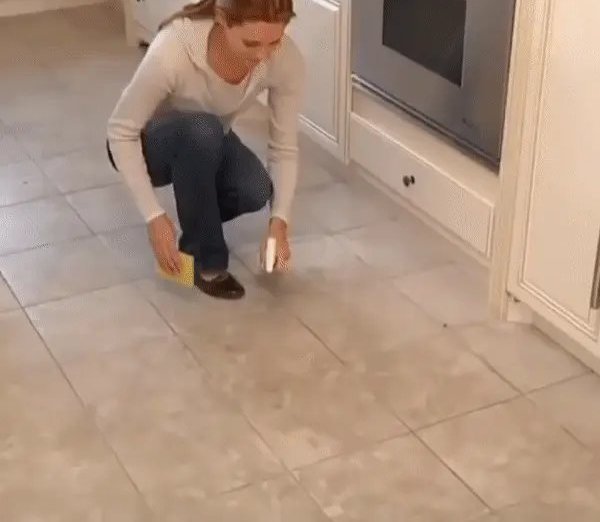
Where it didn't work
It is a degreaser, so it does what degreasers do. It made no difference at all to limescale round the taps — that needs an acid, not a surfactant, and I wasted an afternoon proving it.
It also lifted the finish on one section of untreated softwood shelving, which was entirely my fault for not testing first. On anything porous or unsealed, try a corner.
And it does not remove the smell of a house that has been shut up for a year. That took open windows and about three weeks.
What people said when I recommended it
“Did the extractor hood over the hob, which I had genuinely written off. Took two applications and about ten minutes of waiting.”
“Works properly. Wear gloves — I did not, and my hands were dry for two days afterwards.”
“Good on grease, useless on the bathroom which is what I actually bought it for. Read what it is for before ordering, unlike me.”
So, is it worth it?
For a normal kitchen, honestly, a supermarket spray is fine and you do not need this.
For baked-on oven grease, a rental changeover, a garage, a house that has been sat empty, or twenty years of hob spatter — this is a different category of product and it is the difference between a fortnight and a Saturday.
We did not pay the $4,800. We paid under forty dollars and lost three weekends instead of a month, and the house is now a house.
What Marta actually uses
Multi-purpose cleaning concentrate
Dilute into your own bottle · surfactant degreaser · one pack makes multiple litres
Check current priceTest on an inconspicuous area first. Not for limescale, and not for unsealed timber.